Dog ear cleaning routines are one of those pet care habits many owners ignore until something goes wrong. Then suddenly there’s scratching. Head shaking. A strong smell coming from the ears. Sometimes even a late-night vet visit that could have been avoided with a few minutes of preventive care each week.
I’ve seen owners spend hundreds treating infections that started with mild wax buildup and trapped moisture. The frustrating part? Many of those cases were preventable.
Healthy ears matter. A lot.
Your dog’s ears affect comfort, balance, sleep quality, mood, and behavior. When ears become irritated, even calm dogs can become restless and sensitive. That’s why establishing smart dog ear cleaning routines is less about cosmetic grooming and more about protecting long-term health.
The good news is this process is not complicated. Once you understand how your dog’s ears work and what they actually need, ear cleaning becomes quick, safe, and surprisingly manageable.
Understanding Why Dogs Need Ear Cleaning
Dogs are naturally more vulnerable to ear problems than humans. Their ear canals are shaped differently. Instead of a straight horizontal path, a dog’s ear canal forms more of an “L” shape.
That structure traps:
- Moisture
- Wax
- Dirt
- Allergens
- Debris
Once buildup starts sitting inside a warm, dark ear canal, bacteria and yeast can multiply quickly.
Some dogs are at even greater risk.
Dogs That Usually Need More Frequent Ear Cleaning
| Dog Type | Why They’re Higher Risk |
| Floppy-eared breeds | Reduced airflow traps moisture |
| Swimming dogs | Water stays inside ears longer |
| Allergy-prone dogs | Inflammation increases wax production |
| Hairy-eared breeds | Hair traps dirt and moisture |
| Active outdoor dogs | Increased exposure to debris |
Breeds like Cocker Spaniels, Basset Hounds, Labradors, Poodles, and Golden Retrievers often benefit from consistent dog ear cleaning routines.
That doesn’t mean every dog needs constant cleaning, though. Overdoing it can create problems too.
We’ll get there shortly.
Signs Your Dog’s Ears Need Attention
Most dogs show subtle warning signs before a major infection develops. The key is catching those signs early.
Mild Warning Signs
Watch for:
- Frequent head shaking
- Pawing at the ears
- Mild odor
- Visible wax buildup
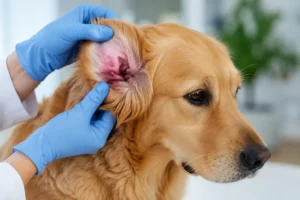
- Redness inside the ear flap
- Sensitivity during petting
These signs don’t always mean infection. But they do mean the ears deserve attention.
More Serious Symptoms
Some symptoms should never be ignored.
These include:
- Thick brown, yellow, or green discharge
- Swelling
- Bleeding
- Strong foul smell
- Whining during ear contact
- Balance issues
- Constant scratching
At that stage, cleaning alone is usually not enough. Veterinary evaluation becomes important.
One mistake I see often is owners continuing aggressive cleaning when the ear is already infected. That can increase pain and irritation dramatically.
Why Consistent Dog Ear Cleaning Routines Matter
The biggest benefit of routine ear care is prevention.
Simple. Practical. Effective.
Preventing Infections Before They Start
Yeast and bacteria thrive in moist environments. Regular cleaning helps remove the material they feed on before problems escalate.
This matters because ear infections rarely improve on their own.
Left untreated, infections can spread deeper into the ear canal and become chronic.
Improving Daily Comfort
Dogs with irritated ears are uncomfortable even when symptoms appear mild.
You might notice:
- Reduced playfulness
- Trouble sleeping
- Irritability
- Increased anxiety
- Less social interaction
Sometimes owners think their dog is “slowing down with age” when the real issue is ongoing discomfort.
Saving Money Long-Term
Preventive ear care is far less expensive than repeated treatment.
Here’s a realistic comparison:
| Care Type | Estimated Cost |
| Routine ear cleaner | Low monthly cost |
| Preventive maintenance | Minimal |
| Ear infection treatment | Moderate to high |
| Chronic infection management | Very high |
Small habits often prevent large bills.
How Often Should You Clean Your Dog’s Ears?
There is no universal schedule.
That’s important.
One of the best dog ear cleaning routines is the one tailored to your specific dog.
General Frequency Guidelines
| Dog Lifestyle | Suggested Cleaning Frequency |
| Low-risk indoor dogs | Every 3–4 weeks |
| Floppy-eared breeds | Every 1–2 weeks |
| Swimming dogs | After water exposure |
| Allergy-prone dogs | Weekly monitoring |
| Dogs with past infections | Vet-guided schedule |
Notice I said monitoring, not necessarily cleaning.
Checking the ears regularly matters just as much as cleaning them.
Why Overcleaning Is a Problem
This surprises many dog owners.
Cleaning too often can:
- Irritate skin inside the ear
- Remove protective oils
- Trigger inflammation
- Increase sensitivity
- Make infections more likely
Healthy ears are not supposed to be bone dry. A small amount of natural wax is normal.
Aggressive cleaning can disrupt that balance.
Supplies You Actually Need
You do not need an elaborate grooming setup.
A few simple tools work perfectly.
Essential Ear Cleaning Supplies
- Veterinarian-approved dog ear cleaner
- Cotton balls or soft gauze
- Towels
- Treats
- Good lighting
That’s it.
What You Should Never Use
Avoid these completely:
- Hydrogen peroxide
- Alcohol
- Human ear cleaners
- Cotton swabs deep inside the ear canal
Cotton swabs are especially risky because they can push debris deeper into the ear instead of removing it.
Step-by-Step Dog Ear Cleaning Routines
This is where many owners get nervous. But once you do it a few times, the process becomes much easier.
Step 1 – Create a Calm Environment
Your energy matters.
If you approach ear cleaning like a stressful task, your dog will sense it immediately.
Choose:
- A quiet room
- Soft lighting
- Minimal distractions
- A relaxed time of day
I personally like doing ear cleaning after walks because dogs tend to be calmer.
Step 2 – Inspect the Ears First
Before applying anything, look carefully.
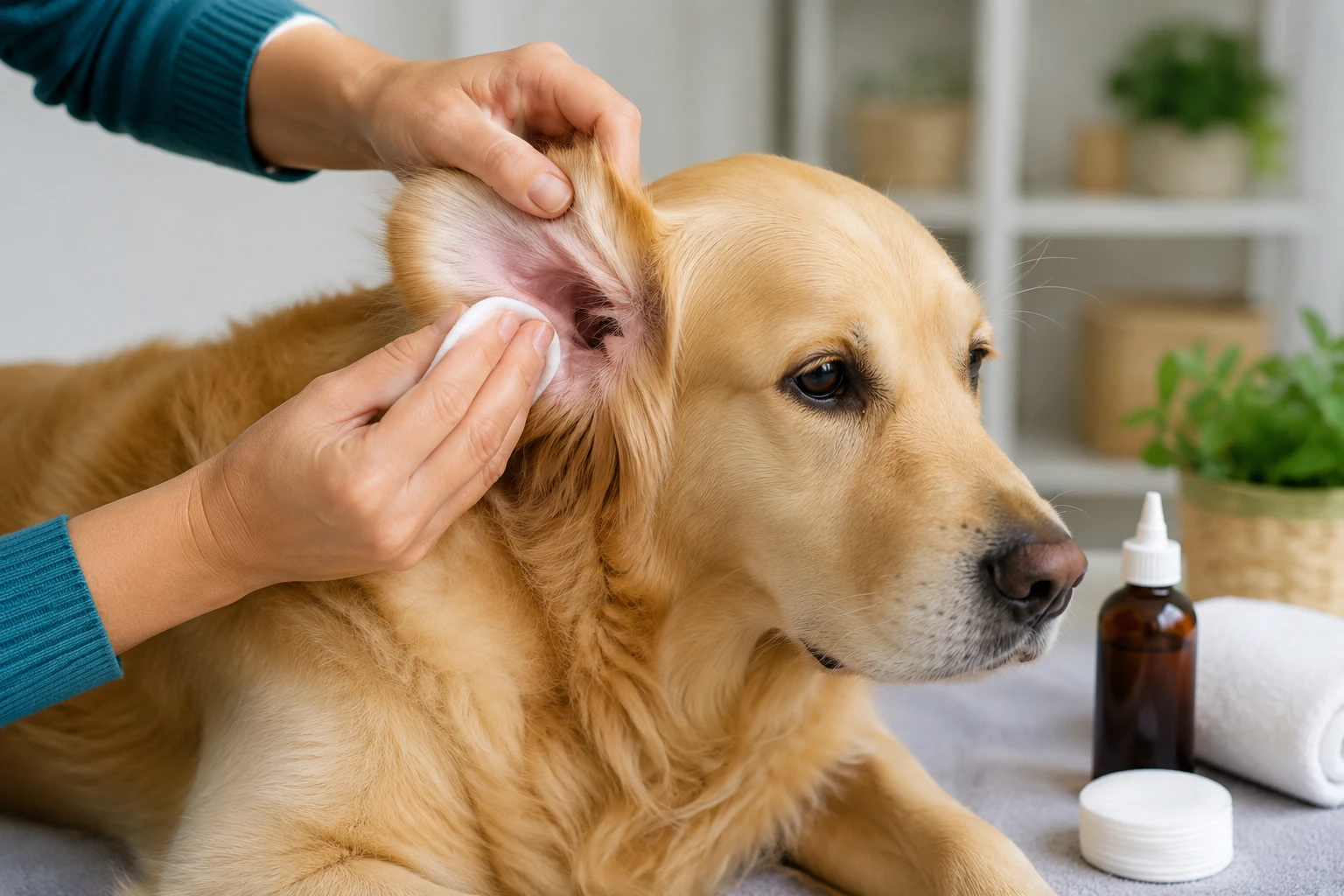
Healthy ears usually appear:
- Light pink
- Slightly waxy
- Clean without heavy debris
- Mild-smelling or odorless
If you notice swelling, heavy discharge, or significant redness, stop and contact your veterinarian.
Step 3 – Apply the Ear Cleaner
Lift the ear flap gently.
Place the cleaner nozzle near the opening without forcing it inside.
Squeeze enough solution to fill the canal lightly.
This often feels strange to dogs at first. That’s normal.
Step 4 – Massage the Base of the Ear
Massage the ear base for about 20–30 seconds.
You’ll usually hear a soft squishing sound.
That sound means the cleaner is loosening wax and debris deeper inside the canal.
Gentle pressure works best. There’s no need to scrub aggressively.
Step 5 – Let Your Dog Shake
This part gets messy fast!
But it’s important.
Shaking helps push loosened debris outward naturally.
I strongly recommend keeping a towel nearby unless you want ear cleaner decorating your walls.
Step 6 – Wipe Away Debris
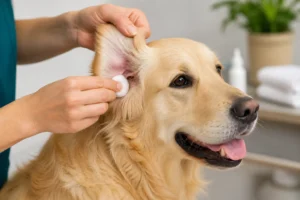
Use gauze or cotton balls to wipe visible debris from the outer canal and ear flap.
Only clean areas you can easily see.
Never force anything deeply into the ear canal.
Step 7 – Reward Your Dog
Treats matter more than people realize.
Positive reinforcement transforms dog ear cleaning routines from a battle into a manageable habit.
Consistency helps too. Dogs adjust better when routines become predictable.
Common Ear Cleaning Mistakes Owners Make
Some mistakes are incredibly common.
And unfortunately, they can make ear problems worse.
Cleaning Too Deep
This is probably the biggest one.
The ear canal is delicate. Deep cleaning attempts can:
- Cause irritation
- Push debris farther inward
- Damage tissue
- Increase infection risk
Visible areas only. That’s the safest rule.
Ignoring Early Symptoms
Mild odor and occasional scratching are often dismissed.
Bad idea.
Small irritation can turn into severe infection surprisingly fast.
Using Homemade Solutions Without Guidance
The internet is full of questionable advice.
Vinegar mixtures. Essential oils. Alcohol-based recipes.
Some homemade solutions are extremely irritating to canine ears.
Stick with veterinarian-approved products unless your vet specifically recommends otherwise.
Cleaning Only When There’s a Problem
Reactive care is rarely effective long-term.
Consistent dog ear cleaning routines work best before symptoms appear.
That’s where the real prevention happens.
Keeping Ears Dry Matters More Than Most Owners Realize
Moisture is a major trigger for infections.
Especially yeast infections.
After Swimming or Baths
Always dry the ears gently after water exposure.
You don’t need aggressive drying. Just remove excess moisture carefully.
Dogs that swim frequently may need:
- More frequent inspections
- Drying solutions recommended by vets
- Post-swim cleaning routines
This alone can reduce recurring infections significantly.
The Link Between Allergies and Ear Problems
This connection gets overlooked constantly.
Dogs with allergies often experience chronic ear inflammation because the skin inside the ears reacts just like the rest of the body.
Common allergy triggers include:
- Certain foods
- Pollen
- Dust
- Grass
- Mold
If your dog develops repeated ear infections despite good hygiene, allergies may be part of the bigger picture.
That’s why some dogs continue having issues even with excellent dog ear cleaning routines.
The underlying cause still needs attention.
Grooming and Ear Health
Hair around the ears affects airflow.
Too much trapped hair can hold:
- Moisture
- Dirt
- Wax
Some breeds benefit from careful trimming around the ear opening.
But be cautious.
Over-plucking ear hair can irritate the skin and increase inflammation. This is something many groomers and veterinarians approach differently depending on the dog.
If you’re unsure, ask your veterinarian what’s appropriate for your dog’s breed and ear condition.
Nutrition Also Plays a Role
Ear health is connected to overall skin health.
Poor nutrition can contribute to inflammation, oily skin, and recurring irritation.
A balanced diet rich in quality protein and healthy fats may support:
- Skin barrier function
- Immune response
- Reduced inflammation
Hydration matters too.
Healthy skin usually starts internally.
Creating a Long-Term Ear Cleaning Schedule
The best routines are realistic.
Not extreme.
A Simple Tracking System Helps
You can keep notes on:
- Cleaning dates
- Wax buildup levels
- Odor changes
- Redness
- Reactions to products
Patterns become easier to spot over time.
This is especially helpful for dogs with chronic allergies or recurring infections.
Consistency Beats Intensity
You do not need marathon grooming sessions.
Five calm minutes every couple of weeks often works far better than aggressive cleaning every few months.
Small habits win.
Dog Ear Cleaning Myths That Need to Go Away
Some outdated advice still circulates heavily online.
Let’s clear up a few myths.
“Dirty Ears Always Mean Infection”
Not necessarily.
Some wax is normal.
The concern comes from odor, inflammation, discharge, and discomfort.
“More Cleaning Is Better”
Absolutely not.
Overcleaning can damage healthy ears.
“Every Dog Needs Weekly Cleaning”
Different dogs have different needs.
Some barely require routine cleaning at all.
“Homemade Remedies Are Automatically Safer”
Natural does not always mean safe.
Some ingredients can severely irritate canine ears.
Final Thoughts
Good dog ear cleaning routines are not about perfection. They’re about consistency, awareness, and prevention.
That’s the real goal.
You don’t need expensive tools or complicated techniques. You just need a smart routine tailored to your dog’s needs and the ability to recognize early warning signs before they turn into bigger problems.
Healthy ears contribute to a healthier dog overall. Better sleep. Better comfort. And better quality of life.
And honestly, once ear cleaning becomes part of your normal care routine, it stops feeling intimidating very quickly.
A few calm minutes today can prevent major problems later. That’s time well spent for any dog owner.
FAQs
Most dogs benefit from ear checks every 1–2 weeks, but cleaning frequency depends on breed, lifestyle, and ear health history.
Use a veterinarian-approved ear cleaner with cotton balls or gauze, and only clean the visible parts of the ear.
No. Human products can irritate a dog’s sensitive ear canal and may worsen inflammation or dryness.
A strong odor can signal yeast buildup, bacteria, trapped moisture, or an ear infection that needs veterinary attention.
Yes. Drying and checking the ears after swimming helps prevent moisture buildup that can lead to infections.
Small amounts of light brown wax can be normal, but heavy dark buildup with odor or redness may indicate a problem.
Yes. Allergies often trigger inflammation and excessive wax production, increasing the risk of recurring ear infections.
Head shaking helps loosen and remove debris from the ear canal after cleaner is applied. Mild shaking is completely normal.
Cotton swabs should not be inserted deep into the ear canal because they can push debris further inside and cause irritation.
Contact a veterinarian if you notice swelling, bleeding, strong odor, discharge, pain, or repeated infections.