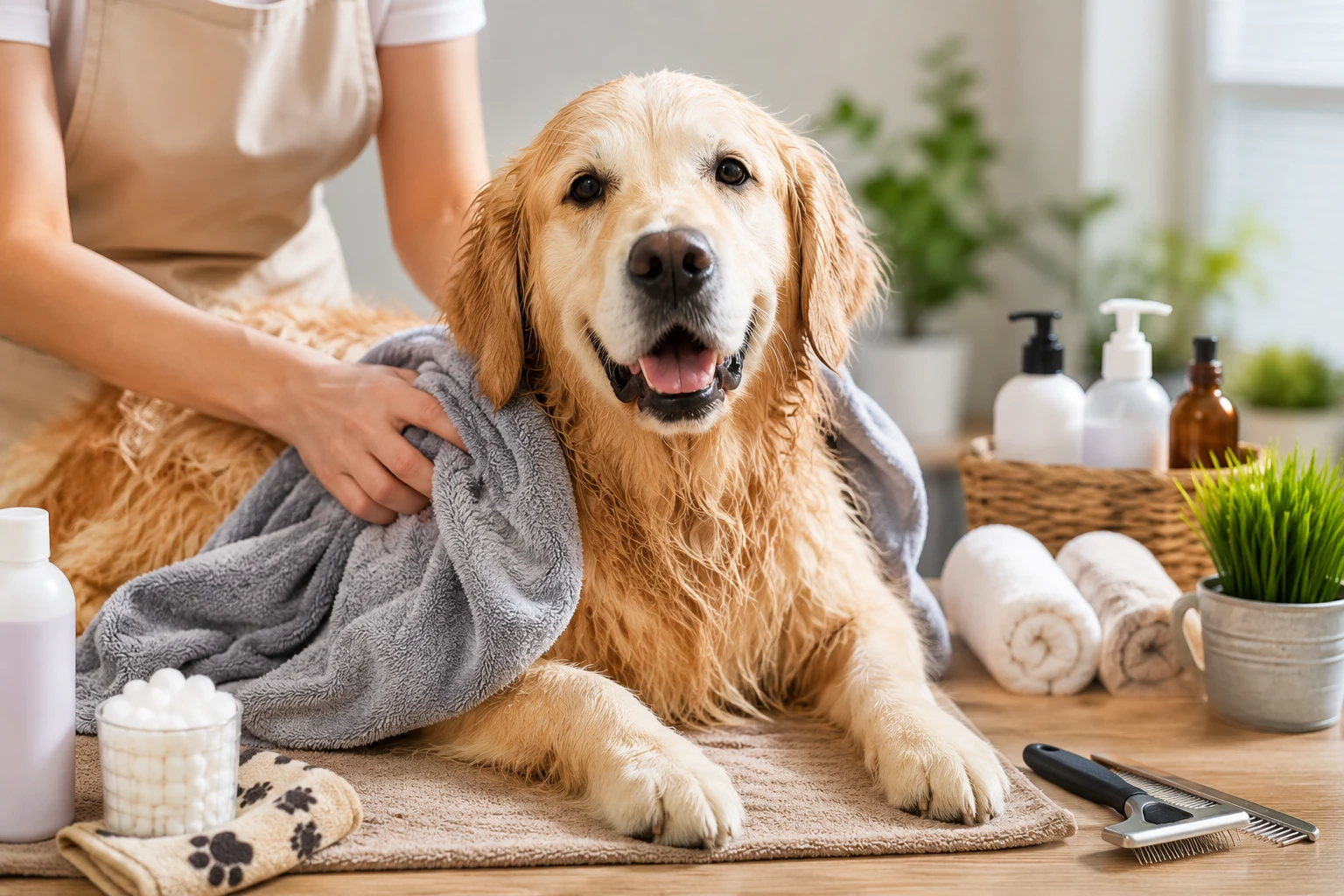
Bath time feels like the finish line. The shampoo is rinsed out, the wet fur smell starts fading, and your dog is finally clean. But the truth is simple: the real work often begins afterward. Proper after bath care can make the difference between a healthy coat and recurring skin or ear problems.
I’ve seen plenty of dog owners spend money on premium shampoos while rushing through the drying process. That shortcut usually backfires. Damp fur, trapped moisture, tangled coats, and poorly dried ears create the perfect setup for irritation and odor. In some dogs, especially those with floppy ears or thick coats, skipping proper after bath care can quickly turn into a trip to the vet.
The good news? A solid routine doesn’t need to be complicated. Small habits make a huge impact. And once you get the process down, your dog will look better, smell fresher, and stay far more comfortable after every bath.
Why After Bath Care Is Essential
A clean dog isn’t automatically a healthy dog. Moisture changes things fast.
When water gets trapped beneath fur or inside ears, bacteria and yeast thrive. Sensitive skin becomes itchy. Mats form. Odors return much faster than expected. This is why after bath care deserves just as much attention as the bath itself.
Here’s what proper care helps prevent:
| Problem | How After Bath Care Helps |
| Ear infections | Thorough ear drying reduces trapped moisture |
| Skin irritation | Proper rinsing and drying protect the skin barrier |
| Matting | Brushing prevents knots from tightening |
| Odor buildup | Dry coats stay fresher longer |
| Excess shedding | Post-bath brushing removes loose fur |
Some dogs tolerate rushed grooming better than others. Short-haired breeds may dry quickly. Long-haired or double-coated dogs? Completely different story.
Prepare Before the Bath Ends
The smartest after bath care routines begin before the water even turns off.
Nothing creates chaos faster than trying to find towels while your wet dog sprints through the house like a furry tornado. Preparation matters.
Keep These Supplies Nearby
- Absorbent dog towels
- Ear cleaning solution
- Cotton pads
- Dog-safe dryer
- Slicker brush or comb
- Treats for positive reinforcement
- Non-slip mat
Organization saves time. It also keeps dogs calmer because the routine flows smoothly instead of feeling stressful and chaotic.
The Right Way to Dry Your Dog
Drying is where most owners either protect the coat or accidentally create problems.
Towel Drying First
Start with absorbent towels and press gently into the coat. Pat. Squeeze. Blot.
Don’t aggressively rub the fur in every direction. That rough movement tangles long hair and irritates sensitive skin. It also creates friction that some dogs absolutely hate.
Focus heavily on these areas:
- Under the legs
- Around the belly
- Between paw pads
- Under the collar area
- Around the ears
Those spots trap moisture longer than people realize.
Using a Dog Dryer Safely
A dog-specific dryer works far better than a standard human hair dryer. Human dryers often get too hot, too quickly.
If you use a dryer:
- Keep airflow moving constantly
- Use low or medium heat
- Stay several inches away from the skin
- Watch for signs of discomfort
Some dogs fear the noise more than the airflow itself. I always recommend introducing dryers gradually with treats and praise instead of forcing the process all at once.
Patience changes everything.
Is Air Drying Okay?
Sometimes. But not always.
Air drying may work for short-haired dogs in warm environments. Thick-coated breeds, however, often stay damp beneath the surface for hours. That lingering moisture becomes a breeding ground for irritation.
Here’s a quick guide:
| Coat Type | Air Drying Risk |
| Short-haired | Low |
| Long-haired | Moderate to high |
| Double-coated | High |
| Floppy-eared breeds | Higher due to ear moisture |
For many dogs, partial towel drying combined with controlled blow drying gives the best results.
After Bath Care for Dog Ears
This part matters enormously. Especially for floppy-eared breeds.
Warm, moist ear canals create an ideal environment for bacteria and yeast. If your dog has recurring ear problems, weak after bath care may be part of the issue.
How to Dry Dog Ears Properly
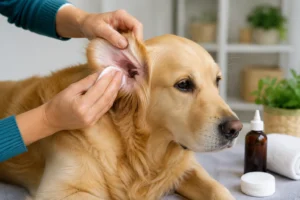
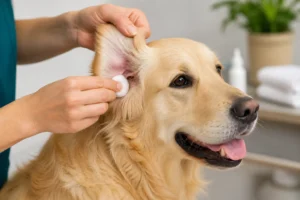
Use a soft cotton pad or clean towel to gently dry the visible portion of the ear.
That’s it.
Never push cotton swabs deep into the ear canal. That approach risks irritation and injury. Gentle external drying works much better.
If your dog swims often or gets frequent baths, a veterinarian-approved ear cleaner may help maintain balance and remove trapped debris.
Signs Moisture Is Becoming a Problem
Watch closely for:
- Head shaking
- Scratching at ears
- Strong odor
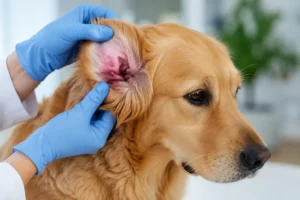
- Redness
- Dark discharge
Those symptoms shouldn’t be ignored. Fast attention prevents small problems from becoming painful infections.
Consistent after bath care is one of the simplest ways to reduce ear-related issues before they escalate.
Brushing After a Bath Makes a Huge Difference
A freshly cleaned coat tangles faster than many people expect.
When fur dries in clumps, knots tighten quickly. Brushing while the coat is still slightly damp helps prevent mats and keeps the fur looking smooth and healthy.
Choosing the Right Brush
Not every brush works for every dog.
| Coat Type | Recommended Brush |
| Short coat | Rubber grooming brush |
| Long coat | Slicker brush |
| Double coat | Undercoat rake |
| Curly coat | Wide-tooth comb |
Using the wrong brush creates frustration for both the owner and the dog. A good tool makes grooming dramatically easier.
Detangling Without Hurting Your Dog
Start at the ends of the fur. Work upward slowly.
Never yank through mats aggressively. That hurts. Dogs remember rough grooming experiences, and future sessions become harder because of it.
If tangles are severe:
- Use a detangling spray
- Separate knots gently with fingers
- Work in small sections
- Reward calm behavior often
A relaxed dog cooperates more. That alone speeds up grooming considerably.
Don’t Ignore Paw Care
Paws deserve attention after every bath.
Wet paw pads trap dirt, soap residue, and moisture between toes. If neglected repeatedly, irritation can develop surprisingly fast.
Quick Paw Check Routine
After drying, inspect:
- Cracks in paw pads
- Redness
- Debris between toes
- Overgrown nails
This only takes a minute or two. Yet many owners skip it entirely.
Dogs that walk frequently on hot pavement or rough outdoor surfaces especially benefit from regular paw inspections.
Watch the Skin Closely After Baths
Bath time gives you a perfect opportunity to examine your dog’s skin more carefully than usual.
When fur is wet or freshly dried, issues become easier to spot.
Look For:
- Dry flakes
- Red patches
- Bumps
- Scabs
- Parasites
- Sensitive areas
Sometimes owners assume excessive scratching is “normal.” It often isn’t.
Poor after bath care combined with harsh shampoos can dry the skin significantly, especially if bathing happens too often.
Why Dogs Get the “Zoomies” After Baths
Almost every dog owner has witnessed it.
The bath ends. Suddenly the dog explodes into full-speed chaos around the house. Couch jumping. Rolling. Sprinting. Wild energy everywhere!
This behavior usually comes from excitement, relief, stimulation, or an attempt to dry themselves naturally.
It’s normal. Mostly harmless too.
How to Calm Dogs After Bath Time
You don’t need to stop all excitement. But you can make the transition smoother.
Try these techniques:
- Offer treats immediately after drying
- Use calm verbal praise
- Provide a cozy resting spot
- Keep post-bath routines predictable
Dogs thrive on consistency. Familiar after bath care routines reduce anxiety over time.
Breed-Specific After Bath Care Tips
Different breeds need different approaches. A quick towel dry may work perfectly for one dog while another requires extensive grooming.
Long-Haired Dogs
These dogs need extra attention.
Moisture hides deep within thick fur, particularly around the chest, belly, and legs. Skipping thorough drying often leads to mats.
Focus on:
- Layered drying
- Frequent brushing
- Checking hidden damp spots
Short-Haired Dogs
These dogs dry faster, but skin sensitivity can become more noticeable after baths.
Avoid overbathing. Too much shampoo strips natural oils and may trigger itching.
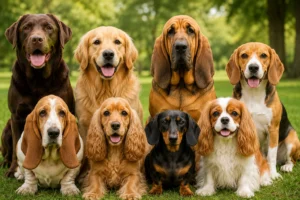
Dogs With Floppy Ears
Floppy ears reduce airflow naturally. That means moisture lingers longer.
Extra ear drying is one of the most important parts of after bath care for these breeds.
Watch carefully for:
- Odor
- Warm ears
- Persistent scratching
- Head tilting
Catching problems early matters.
Common After Bath Care Mistakes
Some grooming mistakes happen so often they’ve practically become routine.
Using High Heat
Hot air can irritate skin quickly. Dogs are more sensitive to heat than many people realize.
Leaving Ears Damp
This is one of the biggest mistakes owners make. Ear moisture should never be ignored.
Skipping Brushing
Tangling doesn’t wait. Especially in longer coats.
Bathing Too Frequently
More baths do not automatically equal better hygiene. Excessive washing strips protective oils and weakens skin health.
Using Human Products
Human shampoos and conditioners often disrupt a dog’s natural skin balance. Stick with dog-specific grooming products whenever possible.
Building an Easy After Bath Care Routine
Consistency matters more than perfection.
You don’t need a professional grooming station or a complicated setup. You just need a repeatable process that keeps your dog comfortable and healthy.
A Simple Routine That Works
- Towel dry thoroughly
- Dry ears gently
- Use controlled blow drying if needed
- Brush coat carefully
- Inspect skin and paws
- Reward calm behavior
That’s it. Straightforward. Effective.
Over time, your dog begins recognizing the sequence. Familiarity reduces resistance and stress dramatically.
Recommended Products for Better After Bath Care
You don’t need dozens of grooming tools. A few quality essentials go a long way.
Helpful Basics
| Product | Purpose |
| Microfiber towels | Faster moisture absorption |
| Dog-safe dryer | Safer controlled drying |
| Ear cleaner | Helps remove trapped moisture |
| Slicker brush | Prevents tangles |
| Paw balm | Protects dry paw pads |
Avoid buying products simply because packaging looks impressive. Focus on gentle ingredients and practical function instead.
When Professional Groomers Help Most
Some dogs genuinely benefit from professional grooming support.
Consider outside help if your dog experiences:
- Severe matting
- Intense grooming anxiety
- Persistent odor
- Chronic ear problems
- Thick double coats that never dry properly
Professional groomers spot issues many owners overlook. They also have specialized tools that make certain grooming tasks safer and more efficient.
There’s no shame in getting assistance. Smart grooming is about keeping the dog healthy, not proving you can do everything alone.
Final Thoughts
A bath is only half the job. Real grooming success happens afterward.
Strong after bath care protects your dog’s skin, ears, paws, and coat while preventing avoidable problems that build slowly over time. And honestly, the process doesn’t need to feel overwhelming. Once the routine becomes familiar, it flows naturally.
The biggest improvements often come from the smallest habits. Better drying. Gentler brushing. Cleaner ears. More consistency.
Your dog notices the difference. So does your furniture. And definitely your nose!
FAQs
After bath care helps prevent ear infections, skin irritation, bad odors, and coat matting. Proper drying and grooming keep dogs healthier and more comfortable.
Air drying may work for short-haired dogs, but thick or long-coated breeds often need towel and blow drying to avoid trapped moisture.
Use a soft towel or cotton pad to gently dry the outer ear area. Never insert cotton swabs deep into the ear canal.
Yes, brushing after a bath helps prevent tangles, removes loose fur, and keeps the coat smooth and healthy.
Lingering moisture, damp ears, or incomplete drying can cause odors to return quickly even after a fresh bath.
Dog-safe towels, gentle ear cleaners, slicker brushes, and low-heat dryers are some of the most useful after bath care tools.
Most dogs only need bathing every few weeks or months depending on breed, coat type, and activity level.
It can be risky if the heat is too high. Use low heat settings and keep airflow moving to avoid skin irritation.
Many dogs get excited after baths because of relief, stimulation, or an instinct to dry themselves quickly.
Long-haired, double-coated, and floppy-eared breeds usually require more detailed after bath care to prevent moisture-related problems.