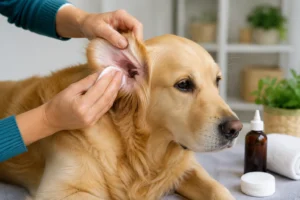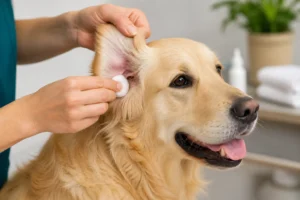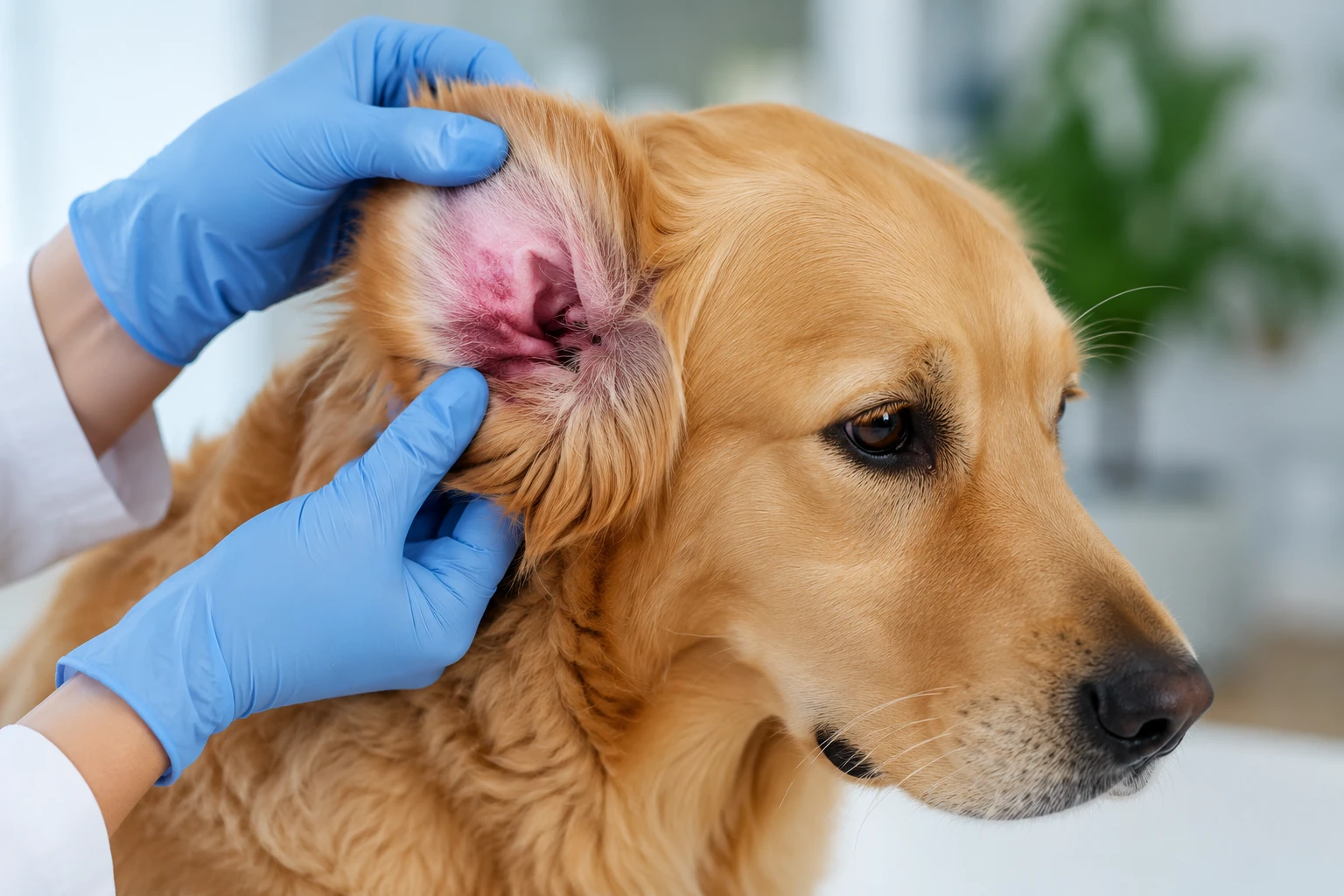
Ear infection signs in dogs can appear quietly at first. A little scratching here. A quick head shake there. Easy to dismiss. But small symptoms often grow into painful infections faster than many owners realize.
Dogs rarely tell us something hurts directly. They show it through behavior, discomfort, and subtle physical changes. That is why understanding ear infection signs matters so much. Catching problems early can prevent severe pain, hearing issues, balance problems, and expensive veterinary treatments later on.
And honestly? Ear infections are miserable for dogs. Imagine constant itching deep inside your ear that never stops. Add swelling, pressure, moisture, and irritation. That’s what many dogs experience.
The good news is that most infections become far easier to manage when spotted early. With proper cleaning, quick action, and consistent monitoring, many dogs recover quickly and comfortably.
Let’s break down the warning signs every owner should know.
Understanding Dog Ear Infections
Dog ear infections are incredibly common. Especially in breeds with floppy ears, active outdoor lifestyles, or allergy issues.
The canine ear canal is shaped differently from ours. It forms an L-shape, which traps moisture, wax, dirt, and debris more easily. Once bacteria or yeast begin growing inside that warm environment, irritation follows quickly.
There are three main types of ear infections:
| Type | Location | Severity |
| Otitis Externa | Outer ear canal | Most common |
| Otitis Media | Middle ear | More serious |
| Otitis Interna | Inner ear | Severe and potentially dangerous |
Most infections begin in the outer ear. Left untreated, they can spread deeper and become much harder to manage.
That’s why recognizing ear infection signs early makes such a huge difference.
Constant Ear Scratching
This is often the very first warning sign.
Dogs scratch occasionally. That’s normal. But repeated scratching focused on one or both ears usually signals irritation.
Watch for:
- Frequent pawing at the ears
- Scratching furniture after scratching ears
- Rubbing the head against carpet or walls
- Sudden obsessive scratching behavior
Some dogs scratch so aggressively they create raw skin around the ears and neck. Others develop scabs or hair loss from repeated trauma.
Persistent scratching means something is irritating the ear canal. It could be yeast, bacteria, allergies, trapped moisture, or mites. Either way, it deserves attention.
Head Shaking and Tilting
One sharp head shake after swimming? Normal.
Constant shaking throughout the day? Different story.
Dogs shake their heads because they are trying to relieve discomfort or remove debris trapped inside the ear canal. If fluid, swelling, or infection develops, the sensation becomes extremely irritating.
Head tilting is especially important to notice.
A dog that consistently tilts its head to one side may be experiencing:
- Pain
- Pressure buildup
- Inner ear involvement
- Balance disruption
This is one of the ear infection signs owners should never ignore because deeper infections can worsen rapidly.
Redness Inside the Ear
Healthy dog ears usually appear light pink, clean, and relatively odor-free.
Infected ears often look:
- Bright red
- Inflamed
- Swollen
- Irritated
Sometimes the redness stays mild initially. Other times it becomes intense and angry-looking very quickly.
If your dog pulls away when you inspect the ear, pain is likely already present.
Regular ear checks help owners spot redness before infections become severe. I recommend making quick ear inspections part of weekly grooming routines.
Bad Odor Coming From the Ears
Healthy ears should not smell foul.
One of the strongest ear infection signs is a noticeable odor coming from the ear canal. The smell may seem:
- Yeasty
- Sour
- Musty
- Rotten
- Sweet but unpleasant
Yeast infections commonly produce a strong bread-like or sour odor. Bacterial infections often smell harsher and more pungent.
If you notice odor plus discharge or redness, the infection may already be progressing.
Dark Discharge or Excess Wax
Discharge is one of the clearest physical signs something is wrong.
You may notice:
| Discharge Color | Possible Cause |
| Brown | Wax buildup or yeast |
| Black | Ear mites or severe debris |
| Yellow | Infection or pus |
| Green | Advanced bacterial infection |
Some dogs develop thick, sticky debris that resembles coffee grounds. Others produce greasy wax that builds quickly inside the canal.
Excess discharge should never be ignored because it often means the ear environment has already become unbalanced.
Swelling Around the Ear Canal
Inflammation can cause visible swelling around the ear opening or flap.
This swelling may make the ear canal narrower, trapping even more debris and moisture inside. That creates a cycle that worsens the infection.
Signs include:
- Puffy ear tissue
- Warm ears
- Thickened skin
- Tenderness during touch
Severe swelling can make medication harder to apply effectively, which is why early treatment matters.
Pain When Touching the Ear
Many dogs with ear infections become protective of their ears.
You might notice:
- Pulling away during petting
- Crying when ears are touched
- Flinching during grooming
- Sudden irritability
Some dogs that are normally affectionate become withdrawn because they associate touch with discomfort.
Pain is one of the most important ear infection signs because it indicates inflammation has progressed beyond mild irritation.
Scabs, Crusting, or Hair Loss
Repeated scratching damages the skin.
Over time, dogs may develop:
- Crusty skin
- Scabs
- Bald patches
- Thickened skin around the ears
Secondary skin infections sometimes develop from constant trauma.
This becomes especially common in dogs dealing with chronic allergy-related ear infections.
Behavioral Changes That Often Get Overlooked
Not every sign appears directly inside the ear.
Sometimes the biggest clues show up in your dog’s behavior.
Increased Irritability
Pain changes behavior. Fast.
Dogs with painful ears may:
- Snap unexpectedly
- Avoid physical contact
- Hide more often
- Resist grooming
Even calm dogs can become reactive when discomfort persists for days or weeks.
Low Energy
Chronic discomfort drains energy.
A dog battling an infection may seem tired, less playful, or generally “off.” Many owners notice their dog sleeping more than usual.
Restlessness at Night
Ear infections often worsen at night because there are fewer distractions from the irritation.
Dogs may:
- Pace
- Scratch repeatedly
- Wake frequently
- Struggle to settle down
That constant discomfort interrupts sleep for both the dog and the owner.
Severe Ear Infection Signs That Need Immediate Veterinary Care
Some symptoms signal deeper or more dangerous infections.
Do not delay treatment if you notice these issues.
Loss of Balance
Inner ear infections affect coordination.
Dogs may:
- Stumble
- Walk sideways
- Fall over
- Struggle standing
Balance problems are serious and require veterinary attention immediately.
Rapid Eye Movement
Abnormal eye movement, called nystagmus, can occur when the inner ear becomes involved.
This may look like:
- Flickering eyes
- Side-to-side eye movement
- Trouble focusing
These symptoms often accompany neurological involvement.
Hearing Problems
A dog with severe infection may stop responding normally to sounds.
Watch for:
- Ignoring commands
- Delayed reactions
- Reduced awareness
Chronic untreated infections can sometimes contribute to long-term hearing damage.
Facial Swelling
Swelling extending beyond the ear area may indicate spreading infection.
This should never be treated casually.
What Causes Ear Infections in Dogs?
Understanding the cause helps prevent future problems.
Allergies
Allergies are one of the biggest triggers behind recurring ear infections.
Common triggers include:
- Chicken
- Beef
- Dairy
- Pollen
- Dust
- Grass
Inflammation from allergies creates the perfect environment for yeast and bacteria growth.
Moisture
Moisture trapped inside the ear canal creates trouble quickly.
Risk factors include:
- Swimming
- Frequent baths
- Humid climates
- Rain exposure
Dogs that love water often need more frequent ear maintenance.
Ear Mites
Ear mites are tiny parasites that create extreme irritation and debris buildup.
They are especially common in puppies and multi-pet households.
Excess Hair
Hairy ear canals restrict airflow and trap debris.
Breeds prone to this issue may require regular grooming inside the ear area.
Poor Ear Hygiene
Dirty ears allow wax, oils, and debris to accumulate.
But balance matters. Over-cleaning can also irritate the ear canal.
Dog Breeds More Prone to Ear Problems
Some breeds naturally face higher risks.
Floppy-Eared Dogs
Breeds with folded ears trap more heat and moisture.
Examples include:
- Cocker Spaniels
- Basset Hounds
- Labrador Retrievers
- Golden Retrievers
Frequent Swimmers
Water-loving dogs often struggle with recurring moisture buildup.
Dogs With Hairy Ear Canals
Poodles and similar breeds may develop airflow problems inside the ears.
These dogs benefit from consistent grooming and monitoring.
How Veterinarians Diagnose Ear Infections
A proper diagnosis matters because different infections require different treatments.
Veterinarians may perform:
Visual Examination
The vet checks for:
- Redness
- Swelling
- Discharge
- Damage to the ear canal
Ear Cytology
A sample from the ear is examined under a microscope.
This identifies:
- Yeast
- Bacteria
- Mites
- Inflammatory cells
Advanced Imaging
Chronic or severe cases sometimes require imaging to assess deeper infection spread.
Treatment Options for Dog Ear Infections
Treatment depends on severity and underlying cause.
Prescription Ear Drops
These commonly target:
- Bacteria
- Yeast
- Inflammation
Consistency matters. Missing doses often delays recovery.
Professional Ear Cleaning
Severe debris buildup sometimes requires deep veterinary cleaning.
This removes material blocking medication from reaching infected tissue.
Oral Medications
Advanced infections may require antibiotics or anti-inflammatory medication.
Allergy Management
Dogs with recurring infections often need long-term allergy control strategies.
Without treating the underlying trigger, infections may keep returning.
How to Prevent Ear Infections
Prevention is much easier than treating chronic infections.
Clean Ears Regularly
Routine maintenance helps reduce debris buildup.
A simple schedule works well for many dogs:
| Dog Lifestyle | Suggested Cleaning Frequency |
| Mostly indoors | Every 2–4 weeks |
| Frequent swimmer | Weekly |
| Allergy-prone dog | As advised by vet |
Always use products specifically designed for dogs.
Dry Ears Thoroughly
After swimming or bathing:
- Use soft towels
- Keep ears dry
- Avoid trapping moisture
This simple habit reduces infection risk dramatically.
Monitor for Early Ear Infection Signs
Quick weekly checks help owners catch:
- Odor
- Redness
- Discharge
- Swelling
Early intervention often prevents painful complications.
Maintain Grooming
Excess hair around the ears can trap moisture and debris. Routine grooming improves airflow and cleanliness.
Common Mistakes Owners Make
Even caring owners sometimes accidentally worsen ear problems.
Using Human Ear Products
Human medications may irritate canine ears further.
Always use veterinary-approved products.
Ignoring Mild Symptoms
Small infections become major infections surprisingly fast.
A little redness today can become severe swelling next week.
Over-Cleaning
Too much cleaning strips protective oils and irritates the skin inside the ear canal.
Balance matters.
Stopping Medication Early
Symptoms often improve before infections fully clear.
Stopping treatment too soon increases recurrence risk.
When to See a Veterinarian
Some ear issues require professional care immediately.
Schedule a veterinary visit if you notice:
- Persistent odor
- Swelling
- Pain
- Thick discharge
- Balance problems
- Head tilting
- Hearing changes
Home remedies alone rarely solve moderate or severe infections effectively.
And honestly, waiting usually makes treatment longer and more expensive later.
Final Thoughts on Ear Infection Signs in Dogs
Ear infection signs rarely disappear on their own. In most cases, they slowly worsen until the dog becomes deeply uncomfortable.
The encouraging part is this: early action works.
When owners recognize scratching, odor, redness, discharge, and behavioral changes quickly, treatment becomes far simpler. Dogs recover faster. Pain decreases sooner. Long-term complications become less likely.
Regular inspections matter. Consistent cleaning matters. Paying attention matters.
Your dog depends on you to notice the small signals before they become major health problems. And once you know what ear infection signs look like, those early warnings become much easier to spot.
FAQs
The earliest signs usually include scratching, head shaking, redness, and a mild odor coming from the ears.
Mild irritation may improve temporarily, but most ear infections require proper treatment to fully resolve.
Bacteria and yeast create buildup inside the ear canal, producing sour, musty, or foul odors.
Yes. Floppy ears trap moisture and reduce airflow, creating an environment where infections develop more easily.
Most dogs benefit from ear cleaning every 2–4 weeks, though swimmers and allergy-prone dogs may need more frequent care.
Absolutely. Food and environmental allergies are among the most common causes of recurring ear infections.
Not always, but dark discharge combined with odor, redness, or scratching often signals an infection or ear mites.
No. Human products can irritate the ear canal and may worsen the infection if used improperly.
See a veterinarian if symptoms last more than a day or two, worsen quickly, or include swelling, pain, or balance issues.
Yes. Severe or untreated infections can sometimes lead to temporary or permanent hearing problems.